Sandra Barth
Bioregional regeneration, roots and narratives
Over the past two centuries, we have increasingly depleted the Earth. Today, many of us are working to restore our planet through regeneration. In doing so, we are rediscovering that humans and animals are not the only living beings; we are surrounded by larger living systems. Everything we do impacts the dynamics of water, forests and even the weather. Our ancestors knew how to live in balance with these systems.
Living by the logic of the landscape
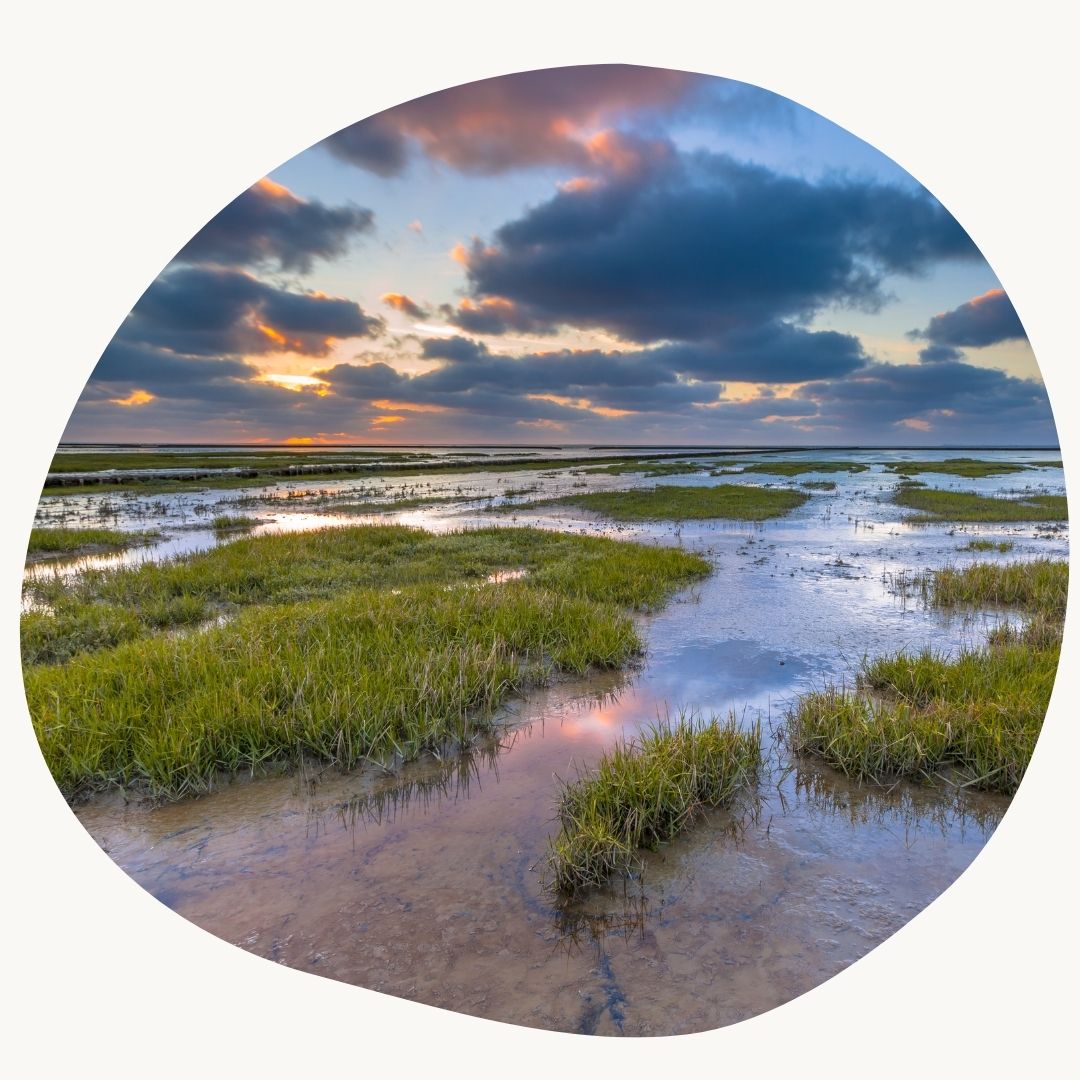
Therefore, national borders are effectively fictional. They are convenient for dividing administrative duties, but nature pays no attention to them. Living systems have always been here and will always remain, no matter what we do. Viewing the world through the natural boundaries of mountain ranges, river basins and seas is what we call bioregional thinking. Thus, I do not simply live in the Netherlands, but in the North Sea Delta. Once we become aware of the living systems of the place where we live, we root ourselves more deeply. And those who are rooted naturally dedicate themselves to their place alongside everyone else sharing it: humans, animals and nature.
Bioregional regeneration, rooting and narratives
To shape, sustain and support this shift in thinking and doing, I focus my work on three inextricably linked pillars. Below you can read more about these pillars:
- bioregional regeneration,
- strengthening our rooting in the place where we live,
- and weaving the new narratives needed for a living future for both humans and nature.
Bioregional regeneration
Working on bioregional regeneration requires a systemic and integrated approach that crosses the boundaries of sectors and policy areas. This can only take shape through broad collaboration between local and national governments, businesses, civil society organisations, academia and local residents.
A co creative approach, embracing multiple perspectives and moving from the energy that is already present: these are a few of the many systemic principles that are essential in this work.
To guide and accelerate these complex regional transitions, I apply my expertise across four interconnected domains:
Services & Advisory
Governments and NGOs engage me for execution, strategic guidance and knowledge transfer regarding:
-
Ecosystem mapping and ecosystem mapping
-
Ecosystem development
-
How to start in your watershed
-
Building coalitions and partnerships
-
Network governance
-
Public sector participation and engagement
I have been doing this work since 2018; please visit my LinkedIn profile for my latest assignment experience.
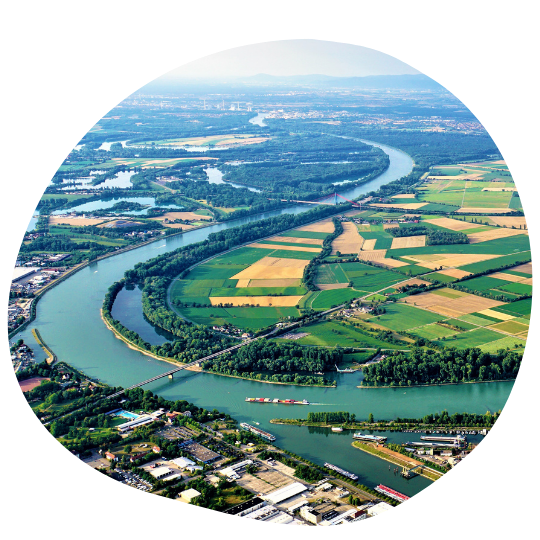
North Sea Delta
Together with other initiators from the North Sea Delta network Well-being, Prosperity and Health, I co founded the ‘Proeftuin voor transitieversnelling‘ (Living Lab for Transition Acceleration). Internationally, this initiative is known as the Bioregional Learning Center North Sea Delta and connected to the Design School for Regenerating Earth. Within this collaboration of diverse organisations, we help place based initiatives learn, exchange knowledge and grow.
The Living Lab was established in 2023.
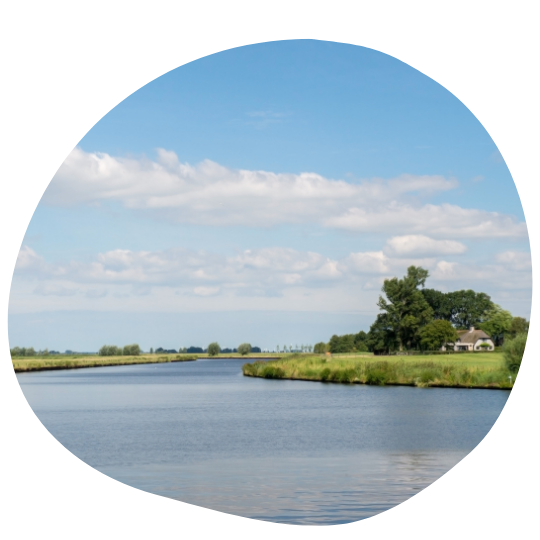
Eem Watershed
In my home region of the Eem Watershed, I work through Stichting Impact033 alongside four colleagues and numerous partners. Together, we build strong coalitions within system structures and foster community building in local neighbourhoods across the following transition themes:
-
a healthy society
-
a fair energy transition
-
an inclusive labour market
-
a healthy food chain
I founded Impact033 in 2022.
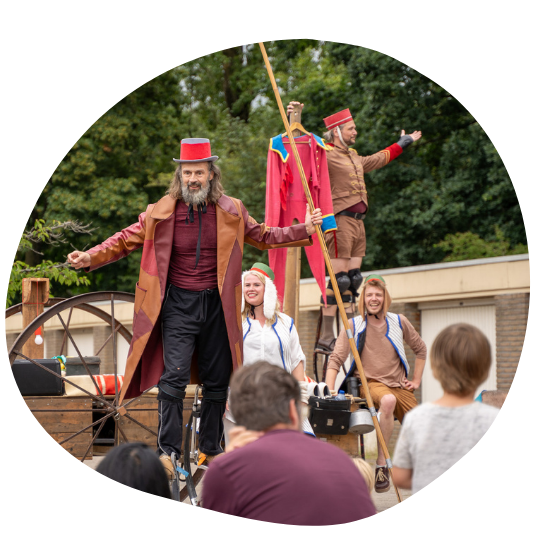
Art and culture
Art and culture speak a language everyone understands. It connects people, and creating together builds strong relationships. Therefore, applying art and culture within projects brings immense added value and can surface insights that might otherwise remain hidden.
In the European URBACT project Re inventing Culture in Urban Places (2024–2026), we used culture as a vehicle to map the issue of loneliness and developed a programme to foster stronger community connection across the city.
Photo: Citymarketing Amersfoort
Rooting
Philosopher Simone Weil wrote as early as 1946 in her book L’enracinement that we, as a society, have become uprooted. This is entirely understandable when considering the horrors of the Second World War. At that time, society was not yet ready to actively work on rooting, but today this topic is more relevant than ever. We are once again searching for our roots to connect more deeply with our earth, the area where we live, the people around us and ourselves. In addition to these three elements, Simone Weil also mentions rituals and the history of our place as means to achieve deeper rooting.
Through this awareness, I co developed a rooting workshop together with Remi Armand Collaris, offer a course on living and working with the seasons upon request, and embark on bioregional journeys to root myself more deeply, which I can also organise for groups upon request.
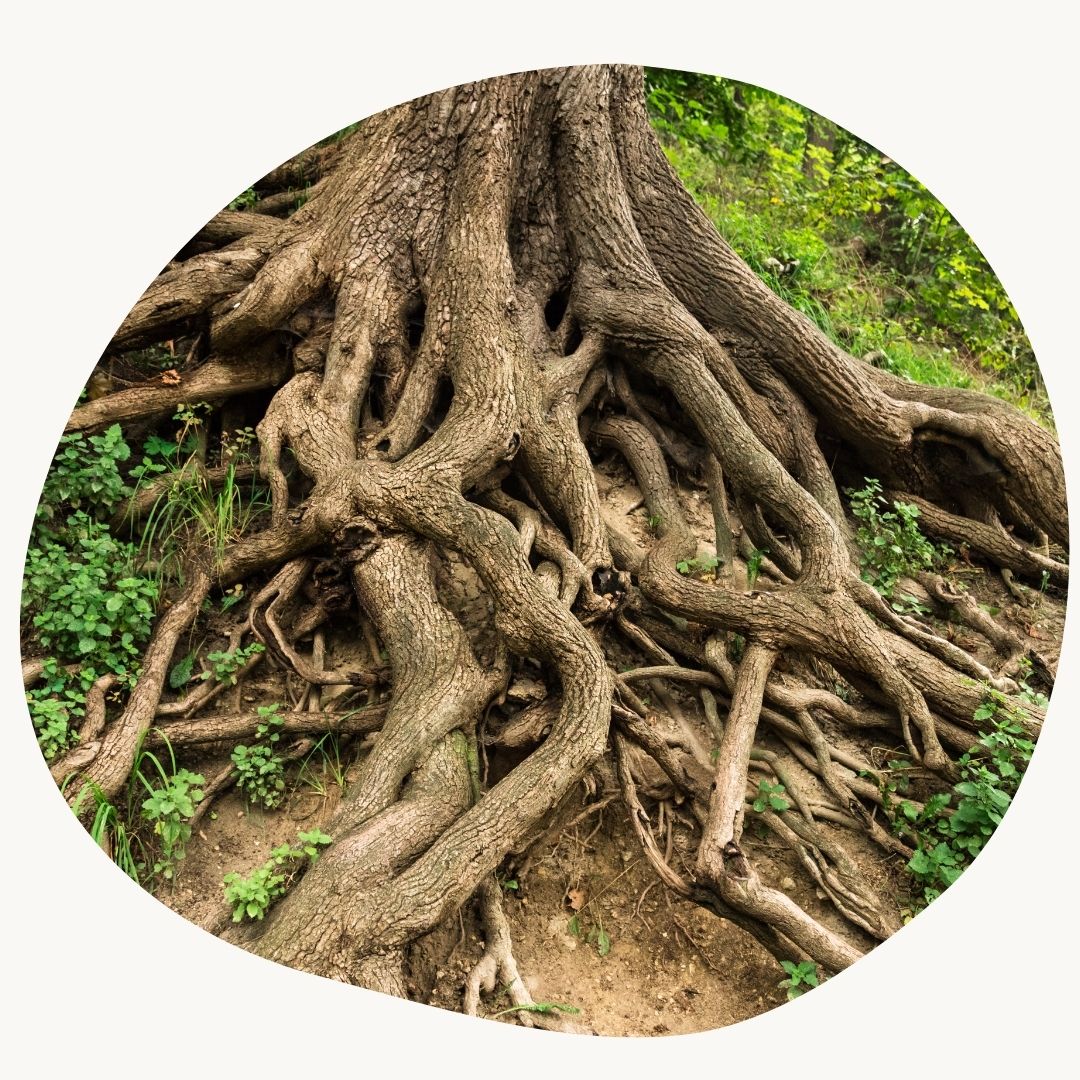
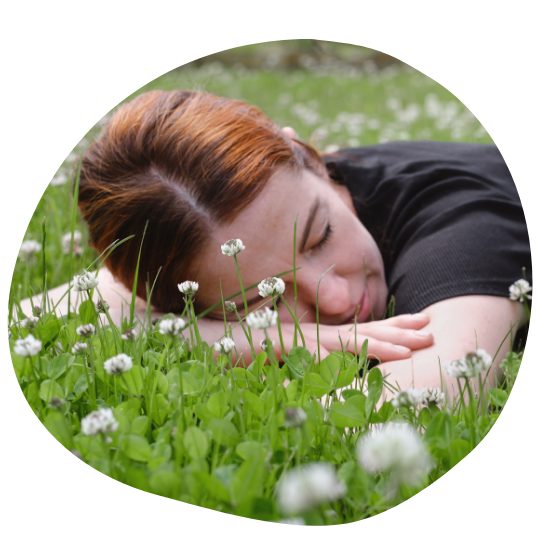
Rooting Workshop
In the Rooting Workshop, we take a deeper step towards ourselves and our own place. Guided by our specially developed Rooting Compass, you will create your personal rooting plan. You will also discover which type of landscape naturally gives you energy, which, surprisingly, is not always the place where you currently live.
Together with: Remi Armand Collaris
Format: 1 half day (available upon request for groups and teams)
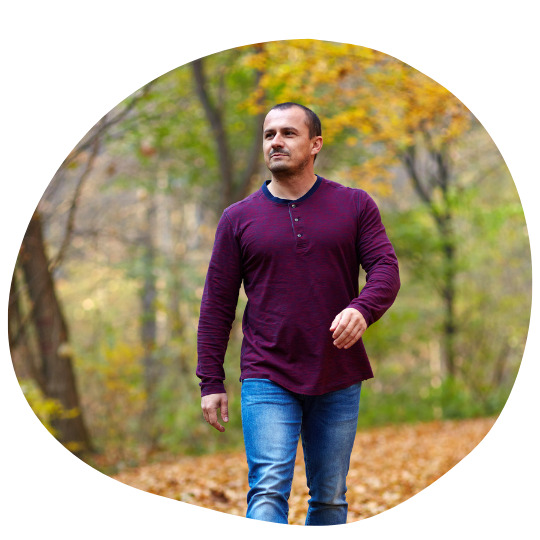
Living and working with the seasons
For two years, I guided a close group of around ten participants through the rhythm of the seasons. Nature served as the primary teacher, complemented by insights from works including those of Jaap Voigt.
In this year course, you learn to understand the language of nature once again and discover your own natural rhythm. When is it time to sow and embrace new initiatives? And when does nature ask us to harvest, slow down or let go?
-
Format: Year course (keep an eye on the website for new start dates or inquire about bespoke possibilities)
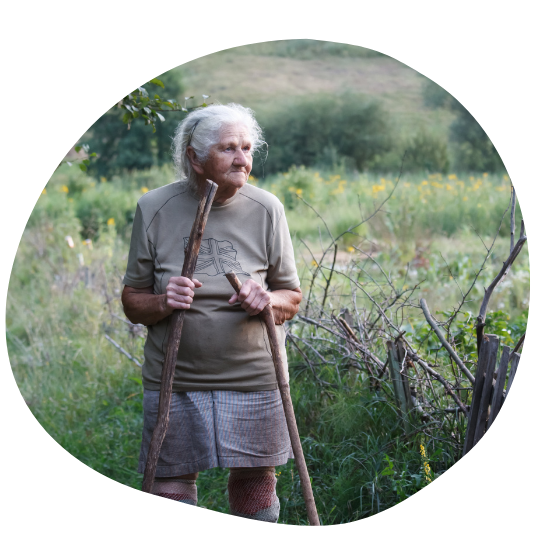
Journeys and immersions
To truly connect with our watershed, the North Sea Delta, I regularly set out on exploration. I travel across the Netherlands and wander through my own region.
Along the way, I listen to the stories of the people who live and work there: both those who dedicate their hearts and souls to the area, and those who experience friction or push back. What drives them? What does the history of the land tell me? And what is needed now to live in harmony once again with humans and nature?
In the autumn of 2026, I am travelling to Tunisia on a learning journey with the Design School for Regenerating Earth.
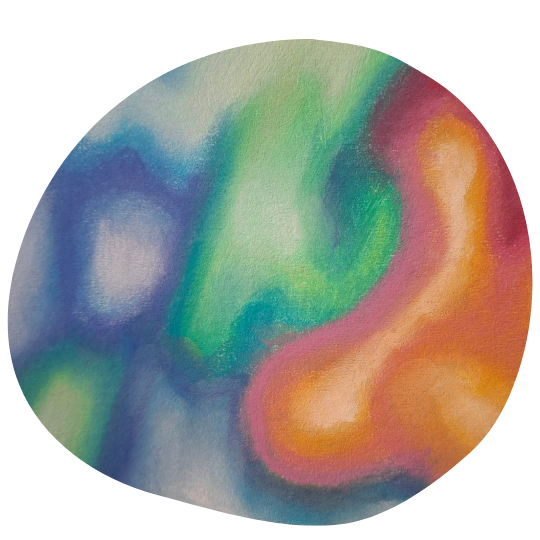
Systemic Imagination
Many are familiar with family or organisational constellations to make the undercurrent visible. My strength lies in translating that undercurrent into visual form. I observe what plays out at a deeper level within a collaboration, a region or a complex challenge, the unwritten laws, blind spots and patterns, and capture this in a sharp visual representation. Context and substantive grounding are essential in this process.
How I apply this:
-
As part of a change process
-
Co creation with groups
-
Imaginative analysis
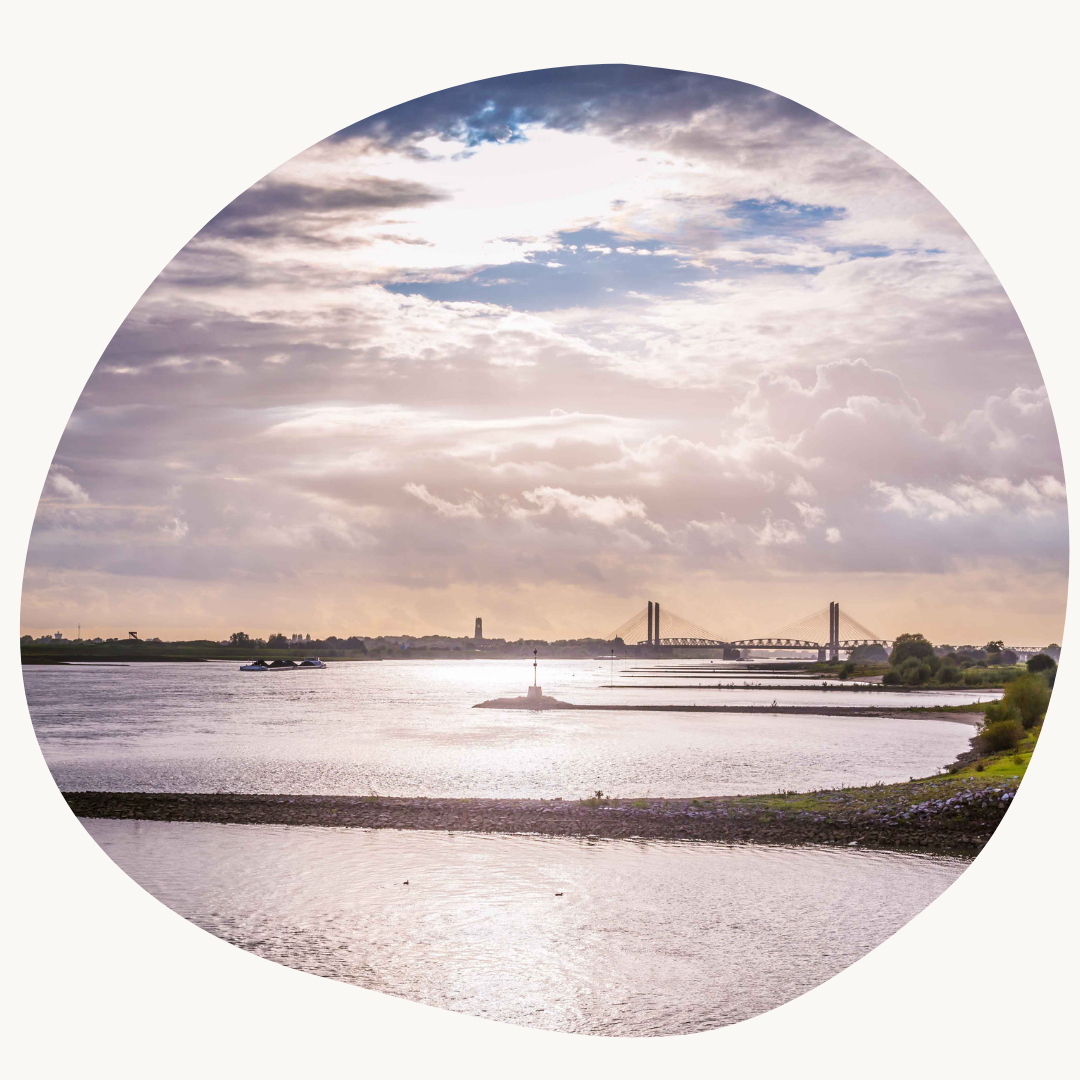
Narratives
Stories have the power to help us understand, to root us and to inspire different actions. Stories form the mould into which we pour our reality. If we cannot articulate or imagine, we cannot shape the regenerative society either. We need new as well as old narratives. Stories that allow us to feel that we are part of living systems. A story is only truly powerful when it is shared. Only when as many people as possible understand the logic of their own watershed and the history of their place does a tipping point emerge.
When my grandmother was still alive, I received a photo album containing photographs of the women’s lineage going back six generations. A very special gift that raised many questions. How is it that we now live on an exhausted Earth? What was that like for my ancestors? And what was their relationship with nature? How did they work together with it? This led to the series Seven Generations of Women, from which two historical novels have now been published in Dutch: The Literate Orphan from the Sand and The Illegitimate Tobacco Daughter.
In these novels, rooting indirectly returns as well: in my view, our ancestors in the 19th century were the last rooted generations before we became increasingly uprooted through religious schisms, pillarisation, world wars, individualisation and globalisation. With these books, I offer a guiding hand to discover what it means to actively root yourself in your region, in the community and within yourself.

The Literate Orphan from the Sand
Following the gunpowder disaster in Leiden, young orphan Doortje flees the city. She finds herself in the isolated Veluwe community of Wekerom. Surrounded by deeply rooted traditions and the harsh reality of a patriarchal hamlet, she searches for freedom, equality and harmony with the earth.
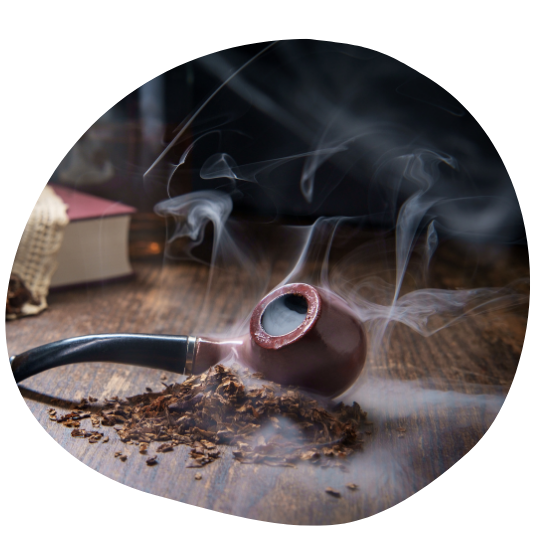
The Illegitimate Tobacco Daughter
A true story about 19th century Jannetje in the tobacco growing village of Amerongen. Surrounded by social control, religion and poverty, she grows up with a deep connection to nature and the river. The book explores how our ancestors lived rooted in their region, in the earth, in the community and within themselves. In my view, this was the last rooted generation.
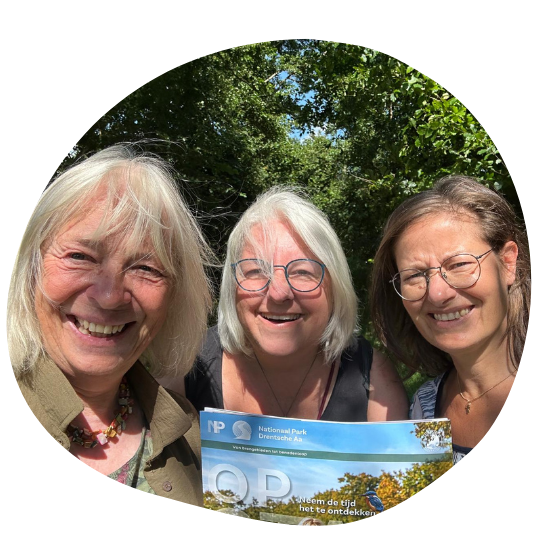
Bioregional Journey of Discovery
To truly connect with our watershed, I travelled across the North Sea Delta. I listened to the stories of the people who shape, steward and inhabit the landscape. This learning journey along with practical insights on how to explore your own watershed will soon be available to download. For now, you can read the travel journal as a series of essays and posts via my Substack using the button below.
Blogging
On Proefdetransitie, Impact033, Zevengeneratiesvrouwen and Substack (English), I regularly blog about bioregional regeneration and my journeys.
Follow me on social media so you do not miss a story. See below for links.
Download my personal narrative and travelogue on bioregional regeneration in Tunisia ‘When nature speaks’:
Events & Schedule
17 – 30 September 2026
Bioregional immersion to Tunisia
6 October 2026
Webinar Vilans Promising Collaborations – guest speaker
12 October 2026
Bioregional Activation Day North Sea Delta – speaker
13-14 October 2026
Field visits South Veluwe, Zoeterwoude and Koedijk
10 November 2026
Rooting workshop (Happy Planet Professionals)
27-30 November 2026
Buitenbubbel: rooting workshop
8 December 2026
End-of-year meeting Network Dementia Barneveld – chairperson
14 December 2026 – 10 January 2027
Winter rest
18 February 2027
Neighbourhood conference VathorstNatuurlijk
Duits (Deutsch)
Seven Generations of Women
Contact
Sandra Barth Organisatieontwikkeling
Workumstraat 28
3826 ED Amersfoort
+31 6 43228705
Chamber of Commerce (KvK) 62908464
Triodos Bank NL66TRIO00390949493